
What Brown Tap Water May Actually Mean
Heavy metal testing for drinking water in the Bronx delivers precise laboratory results that help residents identify hidden contaminants and protect everyday household health. There are few things as unsettling as turning on your kitchen faucet and watching a stream of brown or tea-colored water fill your glass. It is an immediate, visceral warning sign […]
Children and Lead in Tap Water Should Never Be an Afterthought
Certified lead water testing in Queens detects invisible contaminants before they affect daily routines, ensuring complete safety for your household. When parents baby-proof a home, the focus is typically on the visible: covering electrical outlets, installing cabinet locks, and securing furniture to the walls. We invest heavily in the physical safety of our children, yet […]
A Better Way to Think About Testing Tap Water After Renovation

For many homeowners, a renovation project is defined by the reveal, the moment when plastic sheeting comes down, fresh fixtures are polished, and the kitchen or bathroom looks brand new. Whether you have completely upgraded your plumbing or simply replaced an old faucet with a modern design, the physical transformation is undeniable. Yet contractors rarely […]
Copper Findings Often Tell a Bigger Story Than People Expect
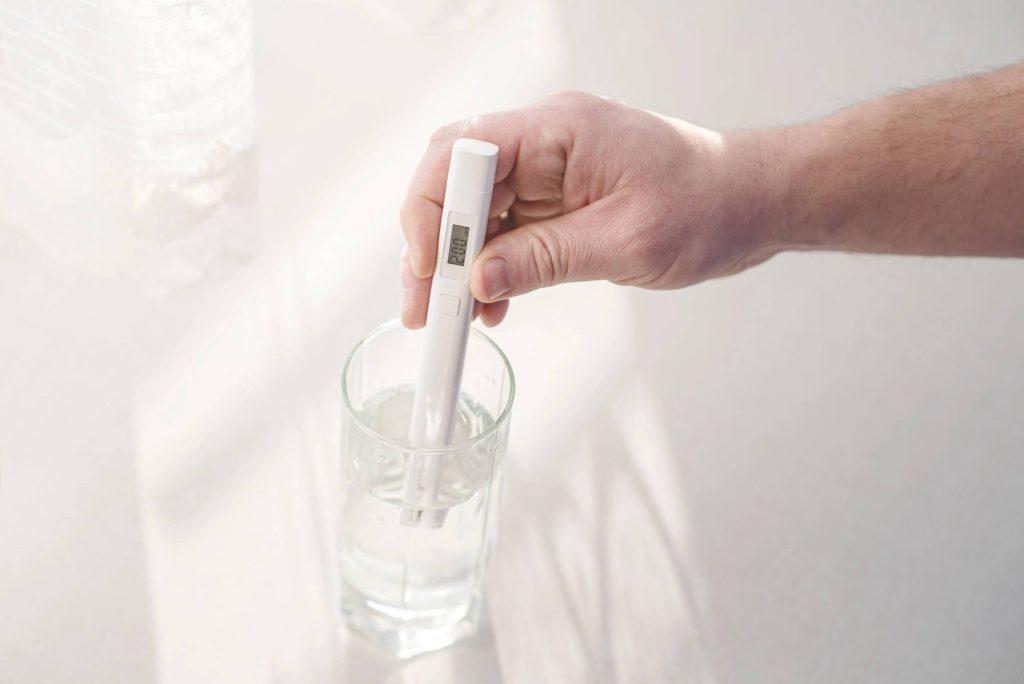
When you receive a water quality report and see a mention of copper, it is easy to dismiss it as a minor inconvenience. Perhaps you’ve noticed a slight metallic taste in your morning coffee or a faint blue-green stain in your sink, and you’ve mentally filed it away as a quirk of your home’s plumbing. […]
Why Good Tap Water Testing Starts With Better Scope Design
Professional water testing services in Queens help homeowners secure reliable data by designing a precise sampling plan before collecting a single drop. Good tap water testing does not begin when the sample reaches the laboratory. It begins before the bottle is filled. A technically correct laboratory report can still be limited if the testing scope […]
PFAS Has Become a Mainstream Tap Water Question
Certified PFAS water testing in Brooklyn identifies trace chemicals to help families, homeowners, buyers, renters, and property owners verify their tap water safety against current health guidelines. Just a few years ago, most questions regarding drinking water revolved around lead, bacteria, hardness, chlorine taste, rusty water, or odor, yet growing concern now drives many to […]
Commercial Tap Water Testing Should Be Treated as Operations Intelligence
Building owners often treat commercial tap water testing as a reactive step prompted by specific incidents, such as tenant reports of brown water, staff noticing odors near break room sinks, or inquiries arising after plumbing maintenance. While receiving a quick answer helps resolve immediate worries, relying solely on results after problems surface means opportunities to […]
Why One Sink Rarely Tells the Whole Tap Water Story
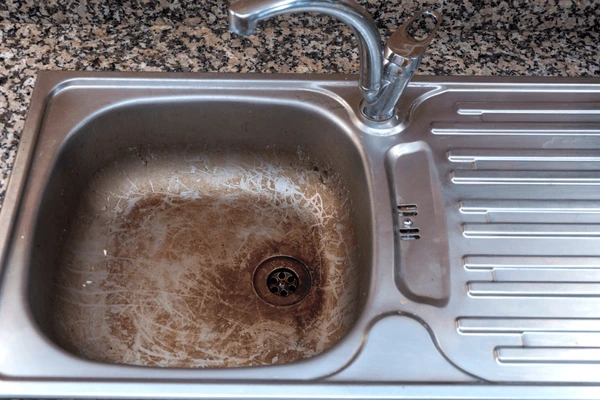
When homeowners consider evaluating household tap quality, they typically begin with the kitchen faucet simply because it is the most accessible and handles daily preparation needs. While drawing a single sample from that specific sink yields helpful baseline data, one location rarely captures the complete plumbing reality of a residence. This limitation is precisely why […]
A Guide to Common Contaminants Found in Tap Water

Professional environmental water testing in Queens examines your entire supply thoroughly to identify multiple potential risks and ensure your household water meets strict safety standards. Many people first consider tap water testing after hearing about a single contaminant, leaving one homeowner worried about lead while another fears bacteria. Others hear reports about PFAS, arsenic, copper, […]
Bacteria Testing Still Belongs in Every Serious Tap Water Program
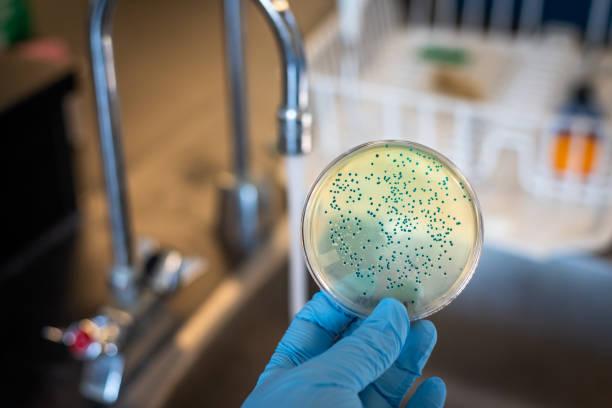
Certified bacteria water testing in Manhattan identifies harmful microbial contaminants that routine chemical panels frequently overlook. When homeowners think about tap water testing, lead, copper, iron, and other plumbing-related concerns usually receive the most attention. It is easy to associate these metals with aging infrastructure, pipe corrosion, unsightly staining, and a noticeable metallic taste. Addressing […]