
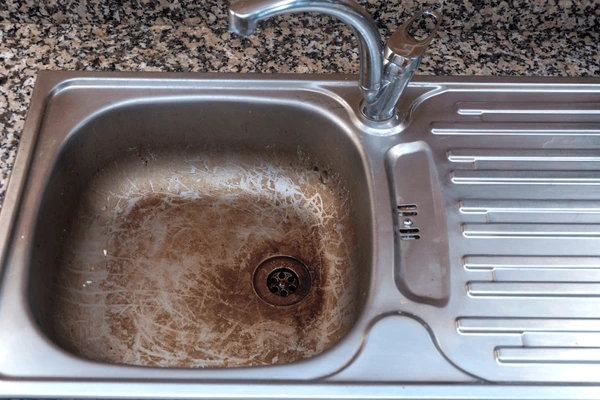
When homeowners consider evaluating household tap quality, they typically begin with the kitchen faucet simply because it is the most accessible and handles daily preparation needs. While drawing a single sample from that specific sink yields helpful baseline data, one location rarely captures the complete plumbing reality of a residence. This limitation is precisely why comprehensive Drinking water testing for buildings in Brooklyn evaluates multiple fixtures and branch lines to detect hidden contaminants that isolated checks miss. Relying on a single point of measurement risks overlooking corroded pipes or cross connections that compromise water safety throughout the entire property.
Tap water quality can change from one location to another within the same home or building. A kitchen faucet may be connected to newer plumbing, while a bathroom sink may still be served by older branch lines. A basement utility sink may sit unused for long periods. A guest bathroom may have water that sits in the line for days. A refrigerator dispenser may include a filter that changes the water before it reaches the glass. These differences can affect testing results.
That is why professional sample planning matters. A stronger testing program looks at how water is actually used, where concerns are showing up, and which fixtures may provide the most meaningful information. For homeowners who want a more complete approach, Tap Water Testing can help turn a general concern into a more useful testing plan.
Why One Faucet May Give an Incomplete Result
Testing one faucet can answer one important question: what was found in that sample, from that location, at that time, under those collection conditions. It cannot automatically answer what is happening throughout the entire home. That distinction matters.
A result from one sink may look normal, while another tap in the same property may show elevated metals, bacteria indicators, sediment, or other concerns. The reverse can also happen. One fixture may show a problem because of its own faucet materials, aerator, branch line, or low-use pattern, while the rest of the home may not show the same condition.
This is especially important for lead and copper. These metals can be influenced by plumbing materials and stagnation time. A bathroom faucet with older components may produce different results from a newer kitchen faucet. A first-draw sample after water has been sitting in pipes may also differ from a flushed sample. Without sample planning, homeowners may either miss a concern or assume a concern is wider than it really is.
The Why Test Tap Water page gives homeowners more context on why tap-level testing can matter, especially when plumbing history or water-use patterns are part of the concern.
Different Taps Can Connect to Different Plumbing Materials
Inside many homes and buildings, plumbing is not always uniform. Some areas may have newer pipes, while others still rely on older materials. Renovations often happen in stages. A kitchen may be remodeled with new fixtures and supply lines, while bathrooms, basements, or laundry areas remain unchanged. In older properties, this mix can be even more complicated.
Different plumbing materials can affect water differently. Copper pipes may contribute copper under certain corrosion conditions. Older solder or brass components may be relevant when testing for lead. Iron or galvanized piping may contribute discoloration, rust particles, or metallic taste. Plastic piping may create different considerations depending on the system and installation history.
Because of this, one sink may not reflect the whole system. A sample from a newly renovated kitchen may look good, while an older upstairs bathroom may still be connected to older branch lines. A basement tap may be closer to the water entry point, while a far bathroom may show what happens after water travels through more interior piping.
Professional testing through Tap Water Testing Services can help identify which sample locations are most useful based on the home’s layout, plumbing age, and water concerns.
Branch Lines Can Create Different Results
A branch line is a section of plumbing that serves a certain area or fixture group. In a house, one branch may serve the kitchen, another may serve a bathroom, and another may supply the laundry area or basement. In larger buildings, branch lines can be even more complex. Each branch may have different materials, usage patterns, and water movement.
This matters because water quality can change as water travels through different branches. A branch line that is used constantly may have fresher water and less stagnation. A branch line that serves a guest bathroom may sit unused for long periods. A long branch line may allow more contact time between water and plumbing materials. A branch with older fittings may show different metal results.
If a homeowner tests only the kitchen sink, they may miss a concern in another branch. If they test only a rarely used bathroom, they may assume the entire home has a problem when the concern is actually localized. Better sample planning helps separate localized fixture issues from broader plumbing conditions.
The U.S. Environmental Protection Agency explains that lead can enter drinking water when plumbing materials containing lead corrode, especially in pipes, faucets, and fixtures. Its information on lead in drinking water helps show why fixture and plumbing location matter.
Stagnation Time Can Change the Results
Stagnation means water has been sitting in the plumbing for a period of time without being used. This can happen overnight, during work or school hours, in guest bathrooms, seasonal homes, vacant units, or rarely used sinks. Stagnation can affect water quality because water has more time to interact with pipes, solder, fixtures, and sediment inside the plumbing.
For metals testing, stagnation time is especially important. Lead and copper results can be higher after water has been sitting in pipes compared with water that has been flushed. For bacteria testing, underused lines can sometimes create conditions where microbial indicators become more relevant. For taste and odor concerns, stagnant water may smell or taste different from freshly drawn water.
This is why sample instructions matter. A first-draw sample and a flushed sample do not tell the same story. A sample from a sink used every hour may not be comparable to a sample from a sink that has not been used for several days. Professional sample planning helps decide whether the goal is to test normal daily use, worst-case stagnation, or differences between fixtures.
Hot Water and Cold Water Are Not the Same
Homeowners sometimes collect a sample without thinking about whether it came from hot or cold water. That can make interpretation difficult. Cold water is usually the main focus for drinking water testing because people generally drink and cook with cold tap water. Hot water can interact with water heaters and plumbing in different ways, so it may show different results.
Brown or rusty water that appears only from the hot tap may point toward water heater sediment or corrosion. Odor that appears mainly in hot water may also suggest a water-heater-related condition. Metal results may differ between hot and cold lines because temperature can affect how water interacts with plumbing materials.
This does not mean hot water should never be tested. It means the sample should be intentional. If the concern is drinking water, cold kitchen water may be the priority. If the concern is brown hot water or odor from showers, hot water may need separate evaluation. A single unidentified sample does not provide enough context.
For homeowners dealing with discoloration, metallic taste, staining, odor, or cloudy water, Common Water Problems can help explain why symptoms should be matched with the right testing location.
Fixtures Themselves Can Affect Water Quality
Sometimes the issue is not the whole plumbing system but the fixture itself. Faucets, aerators, supply lines, cartridges, and filters can all influence water quality at the point of use. An old faucet may contain materials that affect metal results. A dirty aerator may trap sediment or biofilm. A filter that has not been changed regularly may affect taste, odor, or bacteria-related concerns.
A sample from a fixture includes the influence of that fixture. This can be useful if the question is, “What is coming out of this tap that my family uses?” But it can be less useful if the goal is to understand the entire plumbing system. In that case, sampling from more than one location can help determine whether the concern is fixture-specific or system-wide.
For example, if one faucet shows elevated lead but another does not, the fixture or nearby plumbing may be involved. If several taps show similar results, the issue may be more widespread. Without comparison samples, it is harder to tell the difference.
The National Sanitation Foundation provides information about certified water treatment products and systems, which can be helpful when homeowners are evaluating filters after testing. Their searchable resource for certified products and systems can help homeowners match treatment claims with tested concerns.
Bacteria Testing Needs Location Awareness
Bacteria testing is another reason one sink may not tell the whole story. Total coliform, E. coli, and HPC results can vary depending on fixture use, sample handling, plumbing conditions, and water source. A frequently used kitchen tap may test differently from a rarely used basement sink or guest bathroom.
Underused fixtures can be more likely to show stagnation-related conditions. Vacant properties, seasonal homes, office buildings, schools, rental units, and spaces with unusual use patterns may need broader sample planning. Testing only the most convenient sink may miss the location where the concern is strongest.
Bacteria samples also require careful collection. Sterile containers, proper timing, and quick delivery to the laboratory are often important. The Centers for Disease Control and Prevention recommends using a state-certified laboratory for well water testing, and its guidance on testing well water explains why proper testing procedures matter.
Larger Buildings Need Even More Planning
In apartment buildings, offices, schools, healthcare spaces, and mixed-use properties, one sink is even less likely to represent the full water system. Larger buildings may have multiple risers, branches, floors, storage areas, water heaters, filters, and low-use zones. Water quality can vary by floor, wing, tenant space, or fixture type.
A sample from a lobby sink may not represent an upper-floor bathroom. A break room sink may not represent a basement utility tap. A unit that has been vacant may not represent a heavily used unit. A professional testing plan can identify sample points that reflect the building layout and concern.
For property managers, this can be especially useful. Instead of testing randomly, they can use a planned approach to determine whether an issue appears localized, floor-specific, branch-specific, or building-wide. That makes the final certified analysis much more useful.
Better Sample Planning Prevents Misleading Conclusions
The main value of sample planning is that it prevents misleading conclusions. One sample can be accurate but still incomplete. It may accurately show what happened at one faucet while failing to represent other parts of the property. Without context, homeowners may overreact, underreact, or spend money in the wrong place.
A better plan considers the main drinking-water tap, fixtures used by children, older or underused fixtures, hot versus cold water, visible symptoms, plumbing history, and recent changes. The plan may include multiple samples or a targeted comparison. It does not have to be excessive. It just has to match the question being asked.
For example, a lead concern in an older home may involve first-draw samples from the kitchen and bathroom, possibly with flushed comparisons. A brown-water concern may compare hot and cold water. A bacteria concern in a private well may focus on potable water locations and proper sterile collection. A building concern may include samples from different branches or floors.
The American Water Works Association provides public resources on water quality, including information that helps explain why distribution and plumbing context matter before water reaches the tap.
Questions Homeowners Should Ask Before Testing
Before collecting a sample, homeowners should ask a few practical questions. Which tap is used most often for drinking and cooking? Are children using another faucet for brushing teeth? Is the concern visible at one sink or throughout the home? Does the problem happen with hot water, cold water, or both? Is one fixture older than the others? Has the home had plumbing work, renovations, water heater service, or long periods of low use?
These questions help shape the sample plan. They also help the testing company recommend a smarter scope. The goal is to test the water in a way that reflects actual household use and the concern being investigated.
Homeowners can also review the FAQ page for common questions about testing and what to expect.
Final Thoughts
One sink rarely tells the whole tap water story because different taps can connect to different plumbing materials, branch lines, fixtures, and stagnation conditions. A single sample may be useful, but it should not automatically be treated as a complete picture of the entire property.
Better sample planning makes certified analysis more useful. It helps determine whether a concern appears connected to one faucet, one branch line, hot water, cold water, underused plumbing, or broader building conditions. That clarity can prevent confusion and support better decisions.
Homeowners, families, and property managers who want a more complete understanding of their water can begin with Tap Water Testing or contact the team through the Contact page to discuss a testing plan that fits the property, plumbing layout, and concern.