
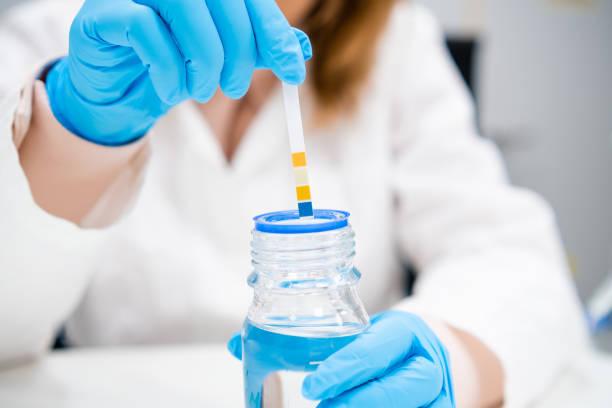
Certified water testing services in the Bronx provide accredited laboratory analysis that accurately measures water quality so you can make informed decisions about your household safety. A basic tap water screen can initially feel like a quick answer. A homeowner buys a kit, dips a strip, waits for a color change, and compares the result to a chart. For simple curiosity, that approach may seem helpful. Yet when the concern involves lead, bacteria, PFAS, arsenic, potability, corrosion, or older plumbing, a quick screen often creates more questions than answers. It may show a number or a color range, but it fails to explain what the result means, trace the issue to its actual source, or confirm that the sample was tested with enough accuracy to support real decisions.
Certified tap water analysis is different because it is designed to provide stronger, more reliable information. Instead of relying only on broad screening tools, certified testing uses proper sample collection procedures, laboratory methods, quality controls, and more detailed reporting. This matters when a family, homeowner, landlord, buyer, or property manager needs more than a rough idea.
For properties with older plumbing or complex water systems, professional testing through Tap Water Testing can help turn a general concern into a clearer testing scope and a more useful certified report.
Basic Screens Can Miss the Bigger Picture
Basic water screens are usually designed for speed and convenience. Many test strips or small kits look for a limited group of indicators such as hardness, chlorine, pH, alkalinity, iron, or nitrate. Some may include lead or bacteria screening, but the level of accuracy and interpretation can vary widely. These tools may be useful for a first look, but they are often not enough when the result needs to guide serious decisions.
A basic screen may tell a homeowner that a substance appears to be present, but not whether the result is precise enough to compare with a regulatory level, health advisory, or professional benchmark. It may also fail to show how different water-quality factors relate to each other. For example, pH, alkalinity, hardness, lead, and copper can all be connected through corrosion behavior. Looking at only one piece of that puzzle can lead to an incomplete conclusion.
Certified analysis provides a more structured view. It can test for specific contaminants using recognized laboratory methods and produce results that are easier to interpret. It also helps homeowners avoid making decisions based on uncertain screening results. A vague test strip can lead to unnecessary worry or false reassurance. A certified report gives stronger information.
Homeowners who are unsure whether their concern needs professional testing can review Why Test Tap Water to understand when tap-level testing makes sense.
Certified Testing Uses Better Sample Handling
One major difference between a basic screen and certified analysis is sample handling. Water testing is not only about what happens in the laboratory. It also depends on how the sample is collected, stored, preserved, labeled, and delivered. If the sample is collected incorrectly, even a good laboratory method may not produce a useful answer.
Some tests require special bottles. Some samples must be kept cold. Some need preservatives. Some must reach the lab within a specific holding time. Bacteria testing, for example, usually requires sterile containers and fast delivery. PFAS testing may require careful handling to avoid contamination. Metals testing may require proper preservation depending on the method and lab instructions.
Basic screens often do not account for these details. A homeowner may collect water in a random cup, wait too long, touch the inside of a container, or misunderstand the timing. That can affect the reliability of the result. Certified analysis gives more control over the process.
The Centers for Disease Control and Prevention recommends that private well owners use a state-certified laboratory for water testing, especially for routine safety indicators. Its guidance on testing well water highlights why proper laboratory testing matters when families need dependable information.
Lead Testing Requires More Than a Quick Result
Lead is one of the clearest examples of why certified tap water analysis matters. Lead in water is usually not visible. It may not affect taste or smell. A home can have clear-looking water and still have a lead concern if plumbing materials are contributing lead at the tap.
A basic screen may suggest whether lead is present, but it may not provide the level of detail needed to understand the concern. Lead testing depends heavily on sample location and timing. A first-draw sample can show what happens when water sits in plumbing. A flushed sample can provide different information. Samples from different fixtures can show whether the issue appears isolated or more widespread.
Certified analysis can provide a more accurate lead result and allow it to be interpreted alongside copper and corrosion indicators. This is important because lead rarely exists as a stand-alone plumbing question. It may be connected to service lines, solder, brass fixtures, branch lines, stagnant water, pH, alkalinity, or other water chemistry factors.
The U.S. Environmental Protection Agency explains that lead can enter drinking water when plumbing materials containing lead corrode. Its resource on basic information about lead in drinking water gives homeowners helpful background on why plumbing materials and corrosion matter.
For homes with older plumbing, the Tap Water Testing Services page can help homeowners understand how professional testing can be matched to specific concerns such as lead, copper, and plumbing conditions.
Bacteria and Potability Testing Need Certified Methods
When homeowners ask whether water is potable, they are usually asking whether it is suitable for drinking. Potability concerns often include bacteria testing, especially for private wells, properties with water intrusion history, unusual odors, or unexplained illness concerns. This is an area where basic screening can be especially limited.
Bacteria testing is sensitive to collection and timing. A sample collected in a non-sterile container may be contaminated. A sample that sits too long may no longer represent the water condition accurately. A basic at-home bacteria screen may not provide enough confidence when the result affects whether a family feels safe drinking the water.
Certified analysis can test for indicators such as total coliform and E. coli using proper laboratory procedures. These results can help homeowners understand whether the sample shows evidence of bacterial contamination. For private well owners, routine certified testing is especially important because they are generally responsible for monitoring their own water quality.
Certified potability testing may also include nitrate, nitrite, pH, turbidity, and other indicators depending on the water source and local requirements. A basic screen may not include the right combination of tests or may not provide results in a format that is useful for official or property-related purposes.
PFAS Testing Requires Specialized Analysis
PFAS testing is another area where certified analysis is much stronger than basic screening. PFAS refers to a large group of manufactured chemicals that have been used in many industrial and consumer products. Some PFAS can persist in the environment and may be found in certain water sources. Because these compounds are measured at very low concentrations, testing requires specialized laboratory methods.
A basic screen may not test for PFAS at all. If it does claim to screen for PFAS, homeowners should be careful about relying on broad or unclear results. PFAS sampling may require specific containers and careful handling to reduce the chance of contamination. The laboratory must also be able to measure the correct compounds at meaningful detection limits.
The EPA provides detailed public information on PFAS in drinking water, including drinking water standards and background information. For homeowners, the important point is that PFAS is not a simple strip-test issue. It requires certified analytical depth.
Families concerned about PFAS should build the testing scope carefully. Location, water source, local history, and intended use all matter. Professional testing can help determine whether PFAS belongs in the panel and how the sample should be handled.
Arsenic and Other Inorganic Contaminants
Arsenic is another contaminant that basic screens may not handle well. It can occur naturally in groundwater in some areas and may be more relevant for private wells than for many public water users. Arsenic cannot be reliably detected by taste, smell, or appearance. A family may have no obvious warning signs.
Certified laboratory testing can measure arsenic more accurately and report results in a way that can be compared with applicable drinking-water standards or guidance. This is important because decisions about drinking water should not be based on guesswork. If arsenic is part of the concern, it should be tested with a method designed for that purpose.
Other inorganic contaminants, such as nitrates, manganese, iron, copper, and certain metals, may also need certified testing depending on the property. The right panel depends on the water source, local geology, plumbing materials, and household concerns.
The Common Water Problems page can help homeowners connect visible signs such as staining, discoloration, metallic taste, or cloudy water with possible testing categories.
Corrosion Conditions Are Often Missed by Simple Kits
Corrosion is not always obvious, but it can influence water quality in important ways. When water interacts with plumbing materials, it can release metals such as lead, copper, iron, or other substances. A basic screen may detect one result but fail to explain the conditions behind it.
Certified tap water analysis can include corrosion-related indicators such as pH, alkalinity, hardness, conductivity, total dissolved solids, iron, copper, and lead. When these results are reviewed together, they can provide a clearer picture of whether the water may be aggressive toward plumbing materials.
This matters in older homes and buildings with mixed plumbing histories. A property may have newer fixtures connected to older branch lines. A renovated kitchen may still rely on older pipes behind the walls. A building may have different plumbing materials in different areas. In these situations, one basic screen from one tap may not represent the whole system.
Professional testing can compare multiple sample locations. This can help identify whether a concern appears connected to one faucet, one branch line, hot water, cold water, or broader plumbing conditions.
Certified Reports Are Easier to Interpret and Document
Another advantage of certified analysis is documentation. A basic screen may leave a homeowner with a color chart or a rough reading. A certified laboratory report usually provides sample details, test methods, detection limits, measured results, units, and reporting notes. This creates a clearer record.
Documentation matters when the result may be used for property decisions, rental concerns, buyer questions, family safety decisions, or follow-up testing. It is also useful for comparing results over time. If a homeowner tests today and tests again later, certified reports make it easier to track changes.
Certified results also support better interpretation. A professional can explain what was tested, what was detected, what was not detected, and whether the results suggest a need for further testing. This is especially useful when multiple results must be considered together.
Basic screens often leave families with uncertainty. Certified analysis turns the test into a more complete answer.
Better Testing Prevents Unnecessary Spending
Many families buy filters or treatment systems before they know what is actually in their water. This can lead to wasted money. A filter designed to improve taste may not reduce lead. A softener may help with hardness but may not address bacteria. A carbon filter may improve certain odor or taste issues but may not be the right solution for every contaminant.
Certified testing helps homeowners choose follow-up steps based on evidence. If results show hardness and iron, the discussion may be different than if results show lead or bacteria. If results show no major concerns, the homeowner may avoid unnecessary treatment purchases.
NSF provides a searchable database for certified products and systems, which can help homeowners check whether a product is certified for certain contaminant reduction claims. However, choosing the right product starts with knowing what is actually present in the water.
Final Thoughts
Certified tap water analysis reveals details that basic screens often miss. It can provide stronger answers about lead, bacteria, PFAS, arsenic, potability, corrosion, and plumbing-related water-quality concerns. It also offers better sample handling, stronger laboratory controls, clearer reporting, and more useful interpretation.
Basic screens may be fine for simple curiosity, but they are often not enough when a property has older plumbing, a private well, repeated discoloration, metallic taste, children in the home, or concerns that may affect drinking water decisions. Certified analysis helps separate guesswork from reliable information.
Homeowners who want stronger clarity can begin with Tap Water Testing or reach out through the Contact page to discuss which certified testing scope may fit their property, water source, and concerns.