
Living in an apartment or condominium complex offers a distinct lifestyle, yet it introduces a complex web of responsibility regarding water quality that sets shared housing apart from single-family homes. While homeowners manage every pipe from the main line to the fixture, apartment residents operate within a vast infrastructure controlled by landlords and city utilities. Because you cannot always see or maintain the internal plumbing, arranging Apartment water testing in Manhattan helps verify that your water supply is free from harmful contaminants before they impact your health. This independent assessment empowers tenants to make informed decisions about filtration and hold property management accountable for necessary repairs.
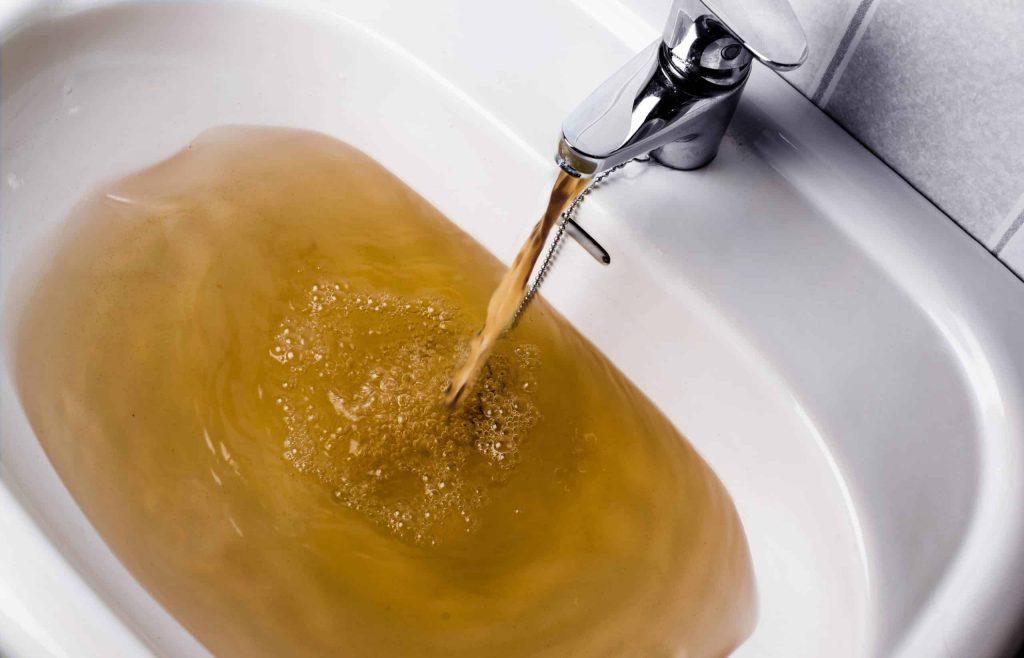
When you notice a metallic taste, a mysterious residue, or a change in water clarity in your apartment, the path to a solution is rarely a straight line. Apartment tap water questions are often more complicated than they look because the source of the problem could be inside your unit, in the walls of the building, or at the municipal level.
The “Shared Infrastructure” Challenge
In a detached house, the plumbing is relatively straightforward. In an apartment building, you are part of a vertical or horizontal plumbing network that serves dozens—or even hundreds—of other units. This presents three distinct layers of potential contamination:
- The Building-Wide System: Large apartment complexes often have their own internal water storage tanks, booster pumps, and complex piping systems. If the building’s main infrastructure is aging, it can introduce sediment, rust, or microbial growth that affects every unit in the building.
- The “Last Mile” Plumbing: Even if the building’s main line is pristine, the specific branch lines feeding your unit might be older or made of different materials. If your apartment was renovated recently but the building’s internal pipes are decades old, your “new” fixtures might be connecting to “old” problems.
- The Tenant-Landlord Dynamic: When you own a home, you choose the plumber and the water treatment solution. In an apartment, you must navigate lease agreements, management policies, and the limitations of what you are allowed to modify.
Why Testing is Your Most Powerful Tool
Because you have limited visibility into what happens behind the walls of your building, you need objective data. Relying on your landlord’s word or assuming the water is “fine” because your neighbors haven’t complained can leave you exposed to contaminants you cannot see or taste.
The first step is to engage in professional tap water testing. Because you aren’t the building owner, you need to know if the issues are localized to your unit or systemic to the entire complex. Testing allows you to present management with facts rather than anecdotes, which is crucial if you are requesting repairs or advocating for filtration improvements.
Common Apartment Water Problems
Apartment dwellers frequently encounter specific water issues that are less common in detached homes:
- Hot Water Recirculation Issues: Many large buildings use massive, centralized water heating systems. If these systems are poorly maintained, they can harbor bacteria or produce discolored water.
- “Stagnant” Water Risk: If you live in a large building where units sit vacant, or if you travel frequently, water can sit in the pipes for long periods. This increases the likelihood of heavy metals, like lead or copper, leaching into the water.
- Poorly Maintained Filtration: If your building boasts a “filtered” water system, keep in mind that these filters must be changed regularly. If the maintenance schedule slips, that filter can actually become a source of common water problems rather than a solution.
If you are curious about the risks in your specific building type, understanding why test tap water is essential. Knowledge allows you to differentiate between a building-wide failure—which is the landlord’s responsibility—and a localized issue that you might want to address with a personal, under-sink filtration system.
Actionable Steps for Renters
If you suspect your water quality is compromised, follow this approach to protect yourself:
- Document Everything: Keep a log of when you notice changes in taste, smell, or color. If it happens at specific times of the day, note that down as well.
- Conduct Localized Testing: Use a reputable service to analyze your water. When you use local water testing, you get a report that is grounded in the reality of your city’s supply.
- Consult Your Lease: Check your agreement regarding plumbing and modifications. Many leases allow for temporary, non-permanent filtration solutions (like faucet-mount or countertop filters) that do not require drilling or plumbing changes.
- Communicate with Management: Once you have your data, approach your landlord or building management with the report. Frame it as a concern for the building’s infrastructure, not just a personal complaint.
The Bottom Line: Clarity is Control
You don’t have to be a homeowner to deserve clean, safe water. However, you do have to be more strategic about how you get it. Apartment living involves shared responsibilities, but your health is your own.
By taking the initiative to test your water, you remove the guesswork and replace it with a clear understanding of your environment. Whether you need a simple filter to bridge the gap or evidence to demand a repair from management, the data from a professional test is your strongest ally.
If you are ready to take control of your tap water, we encourage you to contact us. We can help you navigate the nuances of apartment water quality so you can feel secure in your home.
When you look at your apartment’s faucet, does it show any signs of buildup or staining, or has the taste of the water been your primary concern lately?