
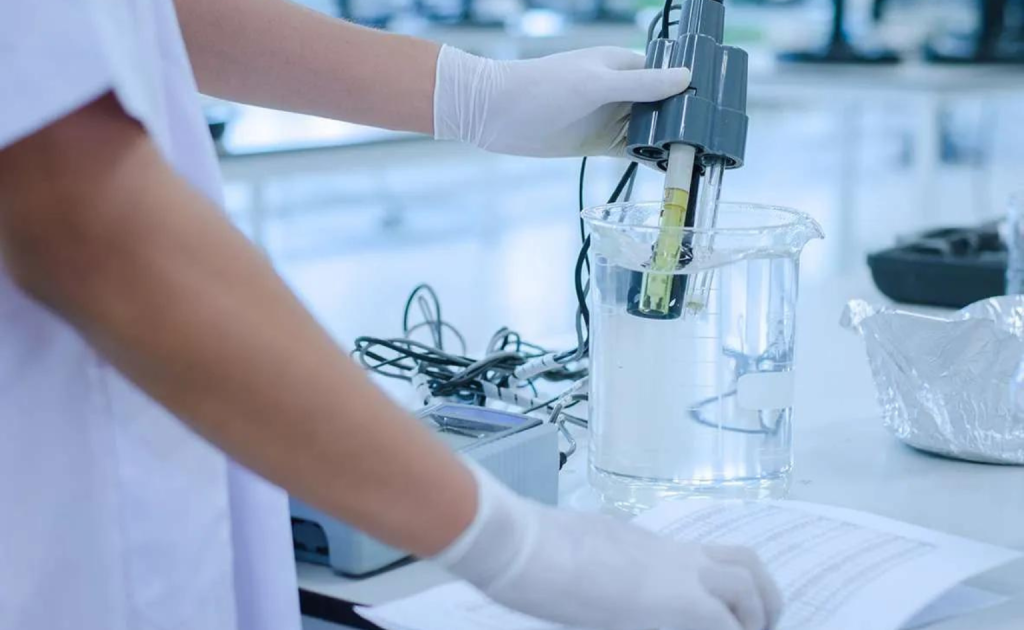
Residential water testing in Brooklyn transforms vague municipal averages into actionable household data by analyzing your actual tap water for invisible contaminants. When it comes to the water flowing through your home, “good enough” often isn’t good enough. For many families, the standard annual report provided by the city is the only insight they have into their water quality. While those summaries effectively track neighborhood-wide treatment standards, they leave a critical gap because municipal monitoring stops at your property line.
The journey your water takes—from the municipal main, through the service line, and into your home’s internal plumbing—is where the real story of your water quality is written. If you want real, actionable answers about the safety of the water your children drink and use for cooking, you need a smarter, more personalized approach to tap water testing.
Why the “City Report” Isn’t the Whole Story
Municipalities are required to test water quality regularly, but they generally test at the treatment plant or at a set of representative locations across the city. They cannot account for the specific variables that define your home:
- Age of Infrastructure: Lead and copper levels are heavily influenced by the age and material of your home’s pipes.
- Stagnation: How long water sits in your pipes overnight or during the day significantly impacts the concentration of dissolved metals.
- Localized Issues: Pipe bursts, nearby construction, or unique sediment buildup in your area can cause temporary or chronic water quality fluctuations that are never captured in a city-wide summary.
Understanding why test tap water is the first step in moving from a position of “assuming everything is fine” to “knowing for sure.”
The Smart Approach: Focus on the “Point of Use”
A smarter testing approach doesn’t just look at the water coming into the house; it looks at the water coming out of the faucet. This is known as “point-of-use” testing.
1. Test at the Most Used Taps
Don’t just test the basement spigot. Focus your testing on the kitchen sink—where you fill your water pitcher and wash your vegetables—and the bathroom faucets where your children brush their teeth. These are the points of highest risk and highest impact for your family’s health.
2. Differentiate Between “First Draw” and “Flushed” Samples
A sophisticated test strategy involves two samples:
- The First Draw: Take a sample first thing in the morning, before any water has been run. This reveals the “worst-case scenario”—the water that has been sitting in contact with your pipes and fixtures overnight.
- The Flushed Sample: Take a second sample after running the water for several minutes. This shows you the quality of the water coming from the supply line, helping you determine if the issue is in your house or the municipal infrastructure.
By comparing these two, you can pinpoint exactly where a problem is originating. Dealing with common water problems is much easier once you know exactly where to look.
Leveraging Local Data
Water quality is inherently local. The environmental factors, soil composition, and even the industrial history of your neighborhood play a role in what might leach into your supply.
When you engage in local water testing, you aren’t just getting a raw list of numbers. You are getting an analysis that considers regional commonalities. For instance, if your neighborhood is known for high groundwater iron content or a specific pH level, your test results can be interpreted with the necessary context to help you choose the right filtration or treatment solutions.
Making Decisions Based on Evidence
The ultimate goal of testing is to empower you to make informed decisions for your home. Too often, families buy expensive whole-home filtration systems without knowing what they are trying to filter out. This can lead to:
- Wasted Money: Buying a system that targets chemicals you don’t have.
- Ineffectiveness: Choosing a filter that isn’t rated for the specific contaminants (like lead or PFAS) present in your home.
- Increased Maintenance: Overloading a filter, which can lead to bacterial growth or reduced water pressure.
Data gives you the roadmap. Once you have a professional analysis, you can target your solutions. Whether that means a simple under-sink reverse osmosis system for the kitchen or an acid neutralizer for the entire home, your investment will be based on hard evidence, not guesswork.
Taking the Next Step
You don’t need a degree in chemistry to be a vigilant steward of your home’s water. You just need a partner who can help you translate the data into clear, simple steps.
If you are ready to stop guessing and start gaining real, actionable answers, we are here to help. You can contact us to discuss your specific concerns, whether you’ve noticed a change in taste, are worried about aging pipes, or simply want the peace of mind that comes with knowing your water is truly safe.
Refining your water quality is one of the most significant things you can do for your family’s long-term health. Don’t leave it to chance—start with a clear picture of what’s in your glass today.
Do you have specific concerns about your water—such as taste, odor, or color—that you have been wondering about lately?