
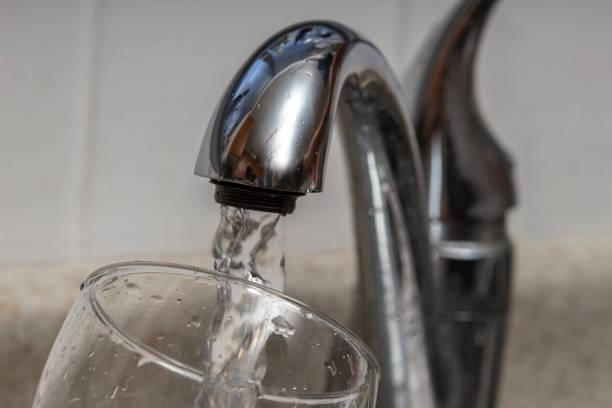
Parents rarely view tap water through a technical lens at first. They simply focus on daily routines, from baby bottles and cooking pasta to washing fruit, brushing teeth, making soup, filling school bottles, and preparing family meals. When water looks cloudy, smells unusual, tastes metallic, or comes from an older home, parents naturally want direct answers. They do not want vague reassurance. They need to know whether the supply their children use every day has been properly checked. Lead testing for drinking water in Queens provides precise laboratory analysis that identifies harmful contaminants, verifies household safety, and delivers the clear confirmation families require.
Tap water testing can help parents move from worry to information. Instead of guessing based on taste, appearance, or online advice, professional testing can identify whether specific contaminants are present and whether results deserve further attention. For families, this can be especially important because children may be more sensitive to certain water-quality concerns than adults. Lead, bacteria, copper, PFAS, nitrates, and other substances may require a more careful look depending on the property, plumbing, water source, and household situation.
For parents who want a practical starting point, Tap Water Testing offers helpful information about testing services, common water problems, and why tap-level analysis can matter for homes and families.
Why Parents Pay Close Attention to Tap Water
Children use tap water in many daily routines. They drink it at home, take it to school, use it while brushing their teeth, and consume it indirectly through cooked foods and drinks. Babies and young children may also consume more water relative to their body size than adults, which makes parents more alert to drinking water concerns. Even when a public water system is monitored, the water still travels through service lines, household plumbing, faucets, fixtures, and sometimes filters before it reaches a child’s cup.
This is why home-specific testing can matter. A city or utility water report may provide useful information about the broader water system, but it may not show what is happening inside one home’s plumbing. Older pipes, brass fixtures, solder, water heaters, filters, and rarely used taps can all affect water quality at the point of use.
Parents often begin asking questions after moving into an older home, welcoming a new baby, noticing taste or odor changes, hearing local water-quality news, or learning that their property may have older plumbing materials. These are reasonable moments to consider testing. The goal is not to create fear; the goal is to understand the water children are using every day.
The Why Test Tap Water page can help parents understand common reasons households choose testing, especially when children, older properties, or daily exposure concerns are involved.
Lead Is One of the Biggest Concerns for Families
Lead is one of the most important reasons parents test tap water. It can enter drinking water through lead service lines, older solder, brass fixtures, or plumbing materials that contain lead. One of the difficult things about lead is that it usually cannot be identified by taste, smell, or color. Water with lead may look completely clear.
The U.S. Environmental Protection Agency explains that lead can enter drinking water when plumbing materials containing lead corrode, and it also states that there is no safe level of lead exposure for children. Parents can review the EPA’s information on lead in drinking water for a broader understanding of why lead remains a major household concern.
Professional lead testing is useful because sampling method matters. A first-draw sample may show what water picked up after sitting in pipes, while other sample types may help compare water after flushing. Testing can also be more informative when lead is reviewed alongside copper and corrosion indicators such as pH, hardness, and alkalinity. These related results can help explain whether water is interacting with plumbing materials in a way that may release metals.
For parents, this kind of detail matters. A simple DIY strip may not provide the confidence needed when the concern involves children’s drinking water. Certified laboratory analysis gives a clearer and more reliable record.
Bacteria Testing and Potability Questions
Bacteria testing is especially important for families using private wells, homes with unexplained odors, properties with flooding history, or situations where water safety is uncertain. Parents may hear terms like total coliform, E. coli, or potability testing and wonder what they actually mean. In simple terms, these tests can help evaluate whether water may have bacterial indicators that require attention.
Bacteria testing must be handled carefully. The sample container should be sterile, the collection process must avoid contamination, and the sample often needs to reach the lab within a specific time window. Poor handling can create misleading results. This is one reason professional testing is often better than casual at-home sampling when children’s safety is the concern.
The Centers for Disease Control and Prevention recommends that private well owners test well water regularly and use a state-certified laboratory. Its guidance on testing well water is useful for parents who want to understand why certified testing is important, especially for homes not served by a public water system.
Even families on public water may choose bacteria testing when there are unusual circumstances, such as water discoloration, plumbing repairs, low pressure events, or concerns about a specific fixture. The best testing plan depends on the home and the reason for concern.
PFAS and Other Chemical Concerns
PFAS has become a growing concern for many parents because these chemicals are widely discussed in news, environmental reports, and public health conversations. PFAS are often called “forever chemicals” because some of them can persist in the environment. Testing for PFAS is not the same as testing for hardness or chlorine. It usually requires specialized laboratory methods and careful sample handling.
Parents may consider PFAS testing if they live in an area with known environmental concerns, near certain industrial sites, near airports or firefighting training locations, or if they simply want a broader chemical screening based on local conditions. Not every home needs PFAS testing, but when parents are concerned, professional laboratory analysis is the more reliable route.
The EPA provides information on PFAS in drinking water, including background on drinking water standards and public health considerations. For families, the key takeaway is that PFAS testing should be handled with the right method and not treated like a basic DIY kit item.
Professional testing can help parents decide whether PFAS belongs in their testing scope along with lead, copper, bacteria, nitrates, or other common concerns.
Copper, Corrosion, and Plumbing Conditions
Copper is another plumbing-related metal that parents may test for, especially in homes with copper pipes, blue-green staining, metallic taste, or newer plumbing work. Copper can enter water when plumbing materials corrode. While copper is an essential nutrient in small amounts, elevated levels in drinking water can be a concern, especially for sensitive individuals.
Copper testing becomes more meaningful when reviewed with water chemistry. pH, hardness, alkalinity, and other corrosion indicators can help explain whether the water may be aggressive toward plumbing materials. This is also why lead and copper are often tested together. If both metals appear, the results may suggest broader corrosion conditions. If one appears only at a specific fixture, the issue may be more localized.
Parents do not need to become water chemists, but they should understand that a single number rarely tells the whole story. Professional interpretation helps explain whether a result appears connected to one tap, one branch line, or a larger plumbing pattern.
The Tap Water Testing Services page gives parents a better idea of how testing can be organized around specific concerns instead of relying on a one-size-fits-all approach.
Why One Faucet May Not Tell the Whole Story
Parents often ask which faucet should be tested. The answer depends on how the water is used. If children drink mostly from the kitchen tap, that location is important. If they use bathroom water for brushing teeth, that fixture may also matter. If filtered refrigerator water is used daily, parents may want to understand both the unfiltered and filtered water depending on the concern.
One faucet may not represent the whole house. A kitchen faucet may have different internal components than a bathroom faucet. A rarely used sink may show different results from a frequently used tap. Hot water may interact differently with plumbing and water heaters than cold water. Because of this, professional sample planning can be very helpful.
A thoughtful testing plan may compare locations, sample timing, or fixture types. This helps parents understand whether a concern is isolated or more widespread. For example, an issue found only at one old faucet may require a different interpretation than a result found at multiple taps.
Parents dealing with taste, odor, cloudiness, staining, or particles can review Common Water Problems to better understand why location and symptoms matter.
DIY Kits May Not Provide Enough Confidence
Many parents start with DIY test kits because they are affordable and easy to buy. These kits can sometimes provide basic screening information, but they often have limits. Color strips can be difficult to read. Results may be broad rather than precise. Some kits may not test for the contaminant parents are most concerned about. Others may not detect substances at levels that are meaningful for decision-making.
For children’s daily exposure, parents often need more confidence than a basic kit can provide. Certified laboratory testing offers stronger methods, clearer reporting, and better documentation. It also helps avoid unnecessary decisions based on incomplete results.
For example, a family may buy an expensive filter system without knowing whether it is designed for the contaminant actually present. Testing first can help parents choose better follow-up steps. NSF’s searchable resource for certified products and systems can help families understand whether a product has been certified for specific reduction claims, but the best choice depends on knowing what is in the water first.
How Parents Can Prepare for Testing
Parents can prepare for testing by thinking through how water is used in the home. Which tap is used for drinking? Is water filtered? Is the home older? Was there recent plumbing work? Is the water from a public system or private well? Are there visible signs such as staining, cloudiness, odor, or particles? Have children complained about taste?
These details help shape the testing plan. A professional testing company can use this information to recommend which contaminants to test for and which sample locations make sense. This is better than choosing a random panel without context.
Parents should also avoid changing too many routines right before testing unless instructed. For example, if the goal is to understand normal household drinking water conditions, the sample should reflect realistic use. If the goal is to evaluate water after stagnation, instructions may be different. Following the correct sampling instructions is important for reliable results.
Understanding the Results
When parents receive a water test report, the numbers can feel overwhelming. A good report should be explained clearly. Parents should understand what was tested, what was detected, what was not detected, and whether any result deserves follow-up. They should also know whether the sample came from the kitchen tap, bathroom tap, filtered water, first-draw water, or another location.
The interpretation should connect results to daily use. If a contaminant is not detected, that may provide reassurance for the tested sample. If something is detected, parents may need to ask whether additional testing, fixture comparison, filter evaluation, or plumbing review makes sense.
The most important thing is to avoid guessing. Results should guide decisions, not create confusion.
Final Thoughts
Parents want clear answers about the water their children drink, brush with, and consume through meals every day. Tap water testing can provide those answers when it is handled carefully. Lead, bacteria, PFAS, copper, corrosion indicators, and other contaminants all require the right testing scope and reliable analysis.
DIY kits may be useful for basic curiosity, but children’s daily exposure concerns often deserve certified laboratory testing and professional interpretation. A well-planned testing program can help identify whether a concern is connected to one fixture, the larger plumbing system, the water source, or a specific contaminant.
Parents who want clearer answers can begin by reviewing Tap Water Testing or reaching out through the Contact page to discuss a testing scope that fits their home, water use, and family concerns.