
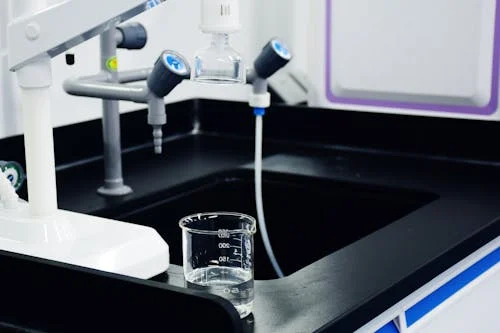
Certified home water testing in Brooklyn delivers comprehensive laboratory analysis that pinpoints hidden contaminants and verifies water safety whenever routine moments like drinking, cooking, brushing teeth, or washing produce reveal sudden changes such as cloudy glasses, metallic tastes, unusual odors, or fixture stains. Most homeowners do not think about tap water testing until something feels different, whether an older home has shifting plumbing, a new filter was installed, or a family member has become more sensitive to water quality. Tap water is something people use every day to prepare meals, clean fruit, and fill reusable bottles for school or work. Because it is so routine, even a small change can create real concern, which is why professional lab results provide essential clarity.
A professional tap water test gives homeowners a clearer way to understand what may be happening. Instead of guessing from taste, odor, or appearance alone, testing can identify whether certain contaminants, minerals, bacteria, or plumbing-related substances may be present. For many households, testing is not about panic. It is about getting structured information from a certified laboratory so decisions can be based on results rather than assumptions.
For homeowners who are unsure where to begin, Tap Water Testing provides a practical starting point for understanding why water testing matters, what it can show, and how a professional testing scope can be built around real household concerns.
Why Homeowners Start Thinking About Tap Water Testing
Many homeowners first consider testing because the water changes in a noticeable way. The water may have a chlorine smell, a metallic taste, a rotten-egg odor, visible particles, cloudy appearance, or staining around sinks and tubs. These signs do not always mean the water is unsafe, but they can point toward conditions worth investigating. Taste and smell can be affected by minerals, disinfectants, plumbing materials, water heaters, or local distribution conditions.
Other homeowners test because of the age of the property. Older homes may have older pipes, solder, fixtures, or service lines that can affect water quality at the tap. Even when the public water supply is treated and monitored, the water still travels through service lines, building plumbing, faucets, and fixtures before it reaches the glass. That final section of the journey is one reason tap-level testing can be useful.
Some families also test after moving into a new home, completing renovations, replacing plumbing, installing a water heater, or noticing nearby construction. These events can disturb plumbing systems or change how water flows through the home. Testing helps create a baseline, which means the homeowner has a clearer record of what the water was like at a certain point in time.
The U.S. Environmental Protection Agency explains that private well owners are responsible for the quality of their own drinking water, and even households on public water may still want to understand conditions at the tap when there are home-specific concerns. You can read more from the EPA’s private drinking water well guidance, which is useful for homeowners who want broader background on household water responsibility.
What Tap Water Testing Can Help Identify
Tap water testing can be designed to look for different categories of concern. A basic test may focus on general water quality indicators such as pH, hardness, total dissolved solids, and minerals. These results can help explain taste, scaling, staining, or how water interacts with plumbing and appliances. While these indicators do not always represent health risks, they can help homeowners understand the character of their tap water.
A more targeted test may look for substances such as lead, copper, bacteria, nitrates, arsenic, PFAS, or other contaminants depending on the property, water source, location, and concern. For example, lead is often associated with older plumbing materials, while bacteria testing may be more relevant for private wells or situations where contamination is suspected. PFAS testing may be considered when homeowners are concerned about industrial chemicals or local environmental conditions.
The important point is that every home does not need the exact same testing panel. A strong testing approach begins with the homeowner’s situation. Is the property old or new? Is the water supplied by a public system or a private well? Are there children, elderly residents, or people with health sensitivities in the home? Has the water recently changed in taste, smell, or appearance? These questions help determine which tests are useful and which may be unnecessary.
Homeowners can learn more about common reasons for testing on the Why Test Tap Water page, especially if they are trying to understand whether their concern is related to plumbing, water appearance, odor, or general peace of mind.
Why Professional Testing Is Different From Guesswork
It is easy to make assumptions about water based on what it looks or tastes like, but water quality cannot always be judged by the senses. Some contaminants may have no obvious taste, smell, or color. At the same time, some unpleasant water issues may be aesthetic rather than dangerous. This is why professional testing is valuable: it separates visible or sensory concerns from measurable results.
Home test strips and quick kits can sometimes provide basic screening information, but they often have limitations. They may not cover the right contaminants, may be difficult to interpret, or may not provide the same level of confidence as laboratory analysis. Professional testing uses proper sampling methods, approved containers, chain-of-custody procedures when needed, and laboratory instruments designed to detect specific substances more accurately.
The Centers for Disease Control and Prevention recommends using a state-certified laboratory for well water testing and notes that well water should be tested at least once a year for certain basic indicators such as total coliform bacteria, nitrates, total dissolved solids, and pH. That guidance is especially important for private well owners, but the general principle also applies more broadly: meaningful water testing depends on proper collection and reliable analysis. You can review the CDC’s guidance on testing well water.
When Tap Water Testing Makes Sense
Tap water testing makes sense when there is a clear reason to ask questions about the water. A homeowner may notice cloudy water, brown or yellow discoloration, black specks, blue-green stains, white scale, or a smell that was not present before. These issues can come from different causes, so testing helps narrow the possibilities.
Testing is also useful after plumbing work. New fixtures, pipe replacement, water heater service, or major repairs may change how water moves through the home. In older properties, testing can help determine whether plumbing materials are influencing tap water quality. This can be especially important when homeowners are concerned about lead or copper.
Families with infants, young children, pregnant residents, elderly family members, or people with immune system concerns may also choose testing for added clarity. The goal is not to create fear, but to understand whether the water being used daily has measurable concerns that deserve attention.
Homeowners may also test after receiving a notice from a water utility, seeing local water quality news, or reviewing a Consumer Confidence Report. Public water reports provide important system-wide information, but they do not always show what is happening inside a specific home’s plumbing. Tap-level testing fills that gap by looking at the water as it comes from the faucet.
For homeowners dealing with visible or sensory issues, the Common Water Problems page can help connect everyday signs like taste, odor, cloudiness, and staining with possible testing considerations.
Choosing the Right Testing Scope
One of the most common mistakes homeowners make is ordering a test without knowing what they actually need. A very small test may miss the concern that matters most. A very broad test may cost more than necessary and produce results that are difficult to interpret. The best approach is to match the testing scope to the home and the concern.
For example, a homeowner worried about old plumbing may need testing for lead and copper. A homeowner using a private well may need bacteria, nitrates, pH, total dissolved solids, and other local contaminants depending on the area. A homeowner concerned about taste and odor may need a different panel focused on minerals, disinfectants, sulfur-related compounds, or general water chemistry.
A professional water testing company can help build a scope that makes sense. This begins with basic questions about the home, water source, plumbing age, recent changes, and visible symptoms. From there, the company can recommend a practical testing plan instead of a random list of contaminants.
The Tap Water Testing Services page is a useful internal resource for homeowners who want to understand how testing services can be organized around different concerns.
Understanding Results Without Overreacting
Receiving a water test report can feel confusing at first. Many reports include numbers, units, detection limits, and reference levels. Some results may be marked as detected, while others may be below reporting limits. Homeowners should avoid making quick conclusions without understanding what the report is actually saying.
A detected substance does not always mean there is an immediate health concern. Some minerals naturally occur in water and may affect taste or hardness more than safety. On the other hand, some contaminants are important even at low levels, depending on the substance and the applicable standard or guidance. This is why interpretation matters.
A professional testing company can help explain the report in plain language. The homeowner should understand what was tested, what was found, what was not found, and which results may deserve follow-up. The goal is to turn laboratory data into useful knowledge.
Homeowners who later decide to use filters or treatment devices should choose them based on the actual test results. A filter that improves taste may not be designed to reduce lead or PFAS. NSF provides a searchable resource for certified products and systems, which can help homeowners understand whether a product is certified for certain claims.
Tap Water Testing and Peace of Mind
For many homeowners, the biggest value of tap water testing is peace of mind. Water concerns can feel stressful because water is used constantly and affects the entire household. Testing gives homeowners a clearer picture of what is present at the tap and whether further steps are needed.
It also helps prevent unnecessary spending. Without testing, a homeowner may buy filters, softeners, or treatment systems that do not address the real issue. Testing first can help avoid guesswork and make any future decisions more targeted.
Most importantly, testing creates a record. Whether the results show no major concern or identify something that needs attention, the homeowner now has documented information. That record can be helpful after moving in, before renovations, during property ownership, or when tracking changes over time.
Final Thoughts
Tap water testing is not only for emergencies. It is a practical tool for homeowners who want to understand the water they use every day. Whether the concern is taste, odor, staining, old plumbing, lead, bacteria, PFAS, or general uncertainty, professional testing can provide structure and clarity.
A good testing process begins with the homeowner’s actual situation, not a generic checklist. The right scope, proper sample collection, certified laboratory analysis, and clear interpretation all work together to turn concern into useful information.
If you are unsure where to begin, you can review the service information on Tap Water Testing or contact the team through the Contact page to discuss the type of testing that may fit your home.