
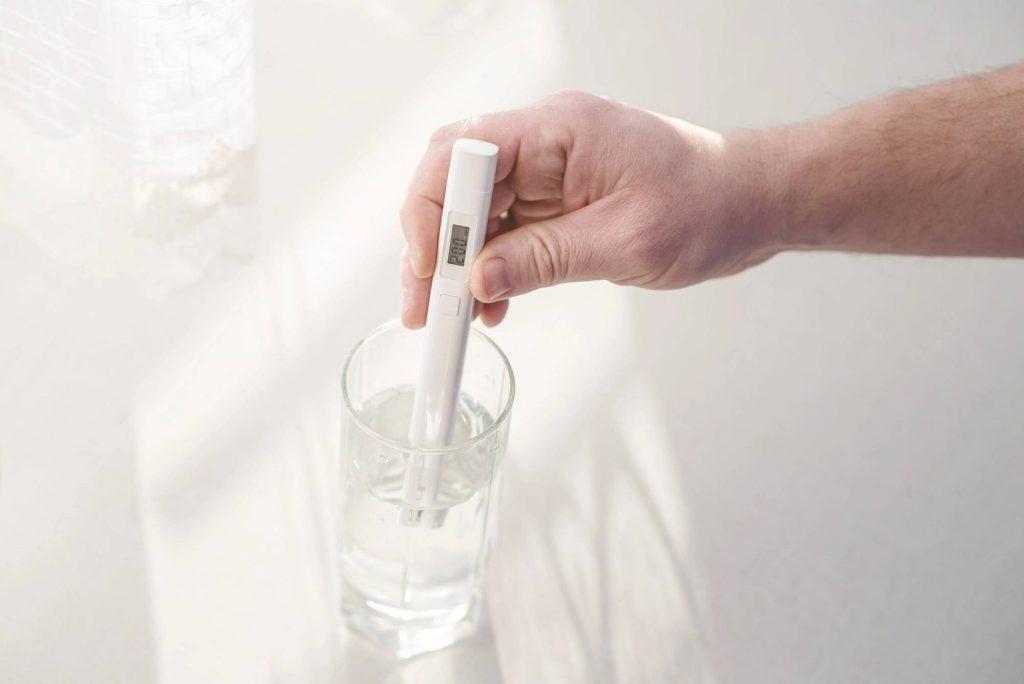
Buying a home is often the largest financial investment you will make in your lifetime. Between checking the foundation, inspecting the electrical wiring, and negotiating closing costs, it is easy to focus on structural integrity while overlooking something just as vital. Certified home water testing in the Bronx provides a thorough laboratory analysis of your household supply, revealing hidden contaminants so you can protect your family and finalize your purchase with complete confidence.
When you move into a new house, you are not just buying walls and a roof; you are buying the infrastructure that supports your daily life. Water is essential for cooking, cleaning, bathing, and drinking. If that water is contaminated, it can lead to immediate health concerns, long-term wellness issues, or expensive plumbing damage.
As a home buyer, you shouldn’t rely solely on a standard home inspection to clear your water quality. Inspectors typically check if the water runs, not necessarily what is in it. To ensure you and your family are safe, you need to be proactive. Here is a guide to the essential questions you should ask regarding your future home’s water supply, and why professional tap water testing services are a non-negotiable step in the buying process.
1. Where Does the Water Come From?
The first step in understanding your water quality is identifying the source. Most suburban and urban homes are connected to a municipal water supply, while many rural or semi-rural properties rely on private wells.
- Municipal Water: If the home is on city water, the municipality is responsible for treating the water to meet federal standards set by the Environmental Protection Agency (EPA). However, “legal” does not always mean “pristine.” Aging infrastructure, lead pipes, and chemical treatments can all impact the quality of the water by the time it reaches your specific faucet.
- Private Wells: If the home relies on a well, the responsibility for testing and treatment falls entirely on you. Wells are susceptible to groundwater contamination from agricultural runoff, nearby septic systems, or geological mineral deposits.
Regardless of the source, you should ask the seller for any history regarding common water problems they have experienced in the past, such as discolored water, strange odors, or low pressure.
2. Are There Lead Service Lines?
For buyers of older homes (typically those built before 1986, though it can apply to newer builds as well), lead is the single most important concern. Lead is a potent neurotoxin that can leach into drinking water from corroded service lines, solder, or household plumbing fixtures.
Because lead is odorless, colorless, and tasteless, there is no way to detect it without professional lab analysis. When touring a home, ask the seller or the listing agent if the water service line has ever been replaced. If they aren’t sure, treat it as a red flag. You should never assume the water is safe just because the pipes look updated.
3. Is the Water “Hard” or “Soft”?
While water hardness is generally not a health issue, it is a significant financial one. Hard water contains high levels of dissolved minerals, primarily calcium and magnesium. While these minerals aren’t dangerous to ingest, they are notorious for causing scale buildup in water heaters, dishwashers, and washing machines.
Over time, hard water can destroy your appliances, clog your pipes, and even make your skin and hair feel dry or itchy. If you notice white, chalky buildup on faucets or a lack of soap lather in the shower, the home likely has hard water. If you are worried about the longevity of your plumbing and appliances, testing for hardness is a smart move before you finalize the purchase.
4. Have There Been Recent Water Quality Reports?
If the home is on a municipal system, the city is required to provide an annual Water Quality Report (also known as a Consumer Confidence Report). These reports provide a general overview of the water quality in your district.
However, be aware that these reports cover the water as it leaves the treatment plant. They do not account for the specific plumbing of the house you are buying. Even if the city water is top-tier, the pipes inside a 1950s-era home could be contaminating the water before it hits your glass. Always look for local data, and if you are living in a specific area, checking our local resources can provide more granular insights into regional water challenges.
5. What Testing Has Already Been Performed?
It is perfectly acceptable to ask the seller if they have performed any independent water testing. Perhaps they installed a filtration system recently—if so, ask why. Did they install it to improve taste, or because a test revealed high levels of arsenic or nitrates?
If they have test results, read them carefully. Check the dates on the reports; a water test from five years ago is not representative of the water today. Water quality can change due to environmental shifts, new construction in the area, or the aging of local infrastructure. If you have questions about the validity or meaning of past results, our FAQ section offers guidance on how to interpret laboratory findings.
Why You Should Take the Lead
There is a common misconception that if a house passed a home inspection, it’s ready to move in. But a standard inspection is visual. A certified inspector might note a leaking pipe, but they cannot see the microscopic contaminants that could pose a risk to your family’s health.
Taking the initiative to test the water yourself is an act of empowerment. It gives you leverage during negotiations. If a water test reveals significant contaminants, you can ask the seller to address the issue, offer a credit for a filtration system installation, or—in extreme cases—use the information to walk away from a deal that could lead to costly remediation later.
Proactive Protection
If you are currently in the process of buying a home, don’t wait until the day you get your keys to find out about your water quality. By the time you are moved in, you lose the opportunity to negotiate repairs or remediation costs with the seller.
At Tap Water Testing, we believe every home buyer deserves peace of mind. Water quality testing is a small, relatively inexpensive step that provides massive, long-term dividends in health and property protection. Whether you are dealing with a private well or a municipal supply, the data you gather now will help you make an informed decision for your future.
If you are ready to secure your peace of mind or have questions about how to collect a sample, visit our blog for more tips on maintaining a healthy home, or feel free to contact our team directly. Your home is your sanctuary—make sure the water inside it is as safe as it is refreshing.
External Authority Links for Reference:
- For more information on the risks of lead in drinking water, visit the EPA’s Lead and Copper Rule page.
- For a deeper understanding of how well water quality is managed, check out the CDC’s Private Well resources.